The most expensive card details, which cost about $20, were in Hong Kong and the Philippines and the cheapest, some at just $1, originated in Mexico, the US and Australia. These are often compiled from multiple sources — often from multiple breaches and other similar databases; these rarely cost more than US$100 and can contain millions of records. “The most important thing is for people to keep an eye on their transactions and report any fraud immediately,” Krebs says.
Did The Silk Road Marketplace Go Under?
If you notice anything unusual, contact your credit card company immediately to report the issue. To protect yourself, be vigilant while making online transactions, use secure payment methods, and regularly monitor your credit for any suspicious activities. Groups who make such tools usually care for their customers and grant documentation, often with video tutorials on how to use their tools. All of these features, its competitive pricing, along with the volume of credit card information listings, make Real and Rare one of the prime sites to trade credit card information online.
Dangers Of Buying Stolen Credit Cards
This way, we’re able to identify and examine suspicious behavior from the outset — catching fraudsters or malicious actors before they can do any meaningful damage. Because you can browse the dark web anonymously through a path of encrypted servers, it has become a hub for illegal activity, including stolen data. Stay informed about the latest trends and tactics used by criminals to better safeguard your financial well-being.
Multi-Factor Authentication (MFA) And 3D Secure
When a hacker writes up new malware, steals a database, or phishes someone for their credit card number, the next step is often toward dark net marketplaces. These black markets allow buyers and sellers to make anonymous transactions using a combination of encrypted messages, aliases, and cryptocurrency. About 135,000 of the card details analysed belonged to UK citizens.
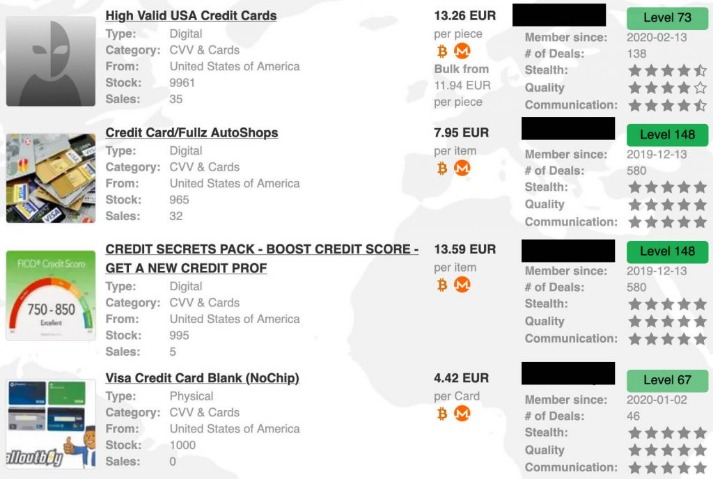
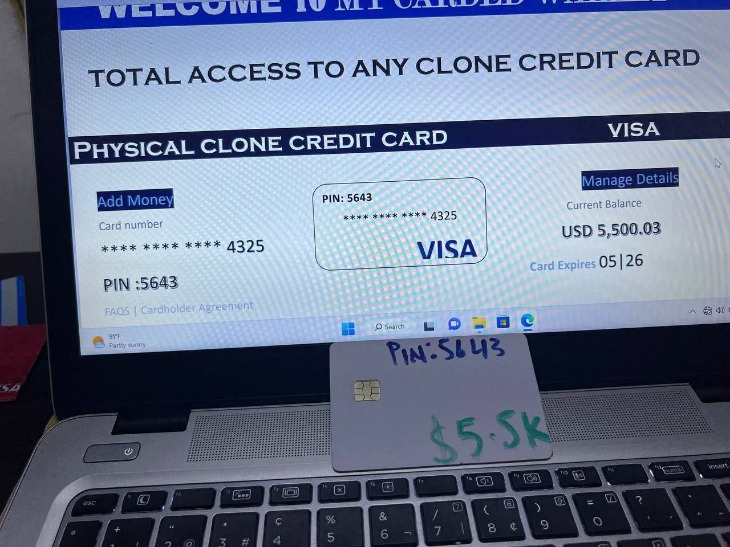
That makes it easy for a thief to copy the card information and sell it on the dark web. As it stands now, there are seven dark web credit card markets accounting for close to 53% of the activity. But Sixgill warns smaller marketplaces could be one credit card breach away from becoming a real competitor. Carding Marketplaces contributed to 16.1% of activity, coming in third among the group. These types of marketplaces specialize in the sale of account dump data and credit card data. One way this can happen is a data breach, where a company that has your credit card information doesn’t store it properly.
Dark Web Credit Card Numbers: Understanding The Risks And Fraud
Lastly, remember that the traditional web offers countless legitimate ways to engage in online transactions and protect personal information. Explore trusted websites and platforms that prioritize cybersecurity, privacy, and legal compliance. When engaging in any transaction, it is essential to take protective measures and precautions to safeguard personal information and privacy. Governments and regulatory bodies will continue to tighten security requirements and compliance standards, compelling financial institutions to adopt more robust fraud prevention frameworks. Stricter regulations surrounding data privacy, customer authentication, and incident reporting are likely, particularly in regions like the United States and the European Union. Increased international cooperation between law enforcement agencies will become essential, targeting global criminal networks through coordinated actions and intelligence sharing.
Financial Losses
Sometimes, you might be hacked by using weak passwords or even just connecting to unsecured Wi-Fi on public networks. And in a world where almost everything we do is online, taking your digital privacy seriously is more important than ever. First things first, always use strong and different passwords for each account you open. It became the blueprint for other dark web marketplaces that tried to take its place. While this may all sound sophisticated, it is a financial crime and very risky. Those who use these services can still be traced and prosecuted if caught, especially as law enforcement continues to sharpen its tracking tools.
Regularly Monitor Your Accounts
By staying informed, practicing caution, and making responsible choices, we can collectively promote a safer online environment and deter criminal activities on the Dark Web. Unlike the surface web we use regularly, which comprises websites accessible through standard web browsers, the Dark Web is a collection of hidden websites that can only be reached by using special software. Hackers can use what’s called a “man-in-the-middle” (MITM) attack to intercept your connection and collect any data you share, including credit card information.
These details often land there after data breaches, phishing attacks, or malware infections that steal information from unsuspecting users. If your credit card number appears on the dark web, it means someone has likely leaked or stolen it—and now it could be traded, sold, or used without you even knowing about it. By collecting hundreds of data points, the best-in-class fraud prevention solutions spot and stop fraudulent activity without blocking legitimate customers from making a purchase. The credit card numbers that work are recorded, and the ones that don’t are (presumably) discarded. In order to make this scam profitable, the bad guys have to test the credit card numbers.
It’s just a single click for us but involves countless communications between servers. Effectively responding to cyber threats is all about speed and information. No, engaging in activities on the dark web entails significant risks, including legal consequences and exposure to scams. Get more from a personalized relationship offering no everyday banking fees, priority service from a dedicated team and special perks and benefits. Connect with a Chase Private Client Banker at your nearest Chase branch to learn about eligibility requirements and all available benefits.
Responding To Detected Credit Card Fraud

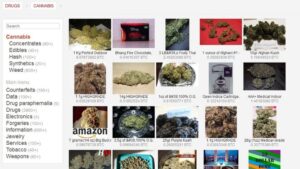
Cybercriminals go on dark web marketplaces to buy and sell illicit goods and services. They engage in financial crime and sell other people’s stolen personal information, since they’re under the veil of anonymity. Just as there are new entrants, the dark web has its veteran markets too, and Brian’s Club is one such market. It has been in operation for more than a decade since its debut in 2014. Brian’s Club is one of the best place to buy stolen credit card info, including CVVs, dumps, and even full account packages without revealing your identity.
- The dark web is a vast and decentralized network where information is traded anonymously.
- Law enforcement agencies worldwide, including the FBI and Europol, continuously investigate and dismantle major carding operations.
- Look for reviews and feedback from other buyers, and never pay more than the asking price for a card.
- Once you have registered an account, you can search for stolen credit cards.
One thing that distinguishes BidenCash on the dark web, however, is how it markets itself. With more of these sites popping up, it’s getting easier for crooks to get and use stolen card info. Financial institutions can proactively strengthen their defences by integrating intelligence derived from FraudAction.
The dark web—about 6 percent of the internet—is home to TOR-encrypted sites and many illegal activities. Cybercriminals buy, sell, and trade corporate data, PII, and other digital assets here, according to IntSights, a security provider. Threat actors sift through massive data dumps looking for credit card numbers, email addresses, login credentials, and more. But fewer than 1 percent of internet users have actually visited the dark web, according to IntSights. This stolen data, which may include passwords and sensitive account information, can be used for all sorts of nefarious purposes.
You can even find things such as BIN checkers and PayPal cookie converters. Another reason the Russian Market is so popular is that it’s pretty inexpensive compared to other dark web marketplaces. The dark web is a hidden section of the internet that you cannot reach with common search engines like Bing or Google. The only way in is through the use of special software that renders all users anonymous and untraceable.
While the allure of cheap credit card details and the potential for financial gain may be tempting, the risks and consequences of engaging in such activities cannot be ignored. Once in possession of valid card data, carders quickly use it to make fraudulent purchases online. To avoid immediate detection, they typically select websites with minimal security checks or ones offering quick, anonymous shipping. Common targets include online marketplaces, luxury retailers, electronics stores, and digital services. Understanding the implications of purchasing stolen credit cards is crucial for maintaining personal ethics and legality.