It’s worth noting, however, that the PEA in food is largely metabolized before it reaches the brain, so the mood-boosting effects of these foods may be due to other compounds or simply the enjoyment of eating them. Some studies have found that individuals with ADHD tend to have lower levels of PEA in their urine, suggesting a potential role for this compound in the disorder. This has led to speculation that PEA supplementation could potentially help manage ADHD symptoms, although more research is needed to confirm this. Studies have shown that PEA can enhance focus, alertness, and mental energy.
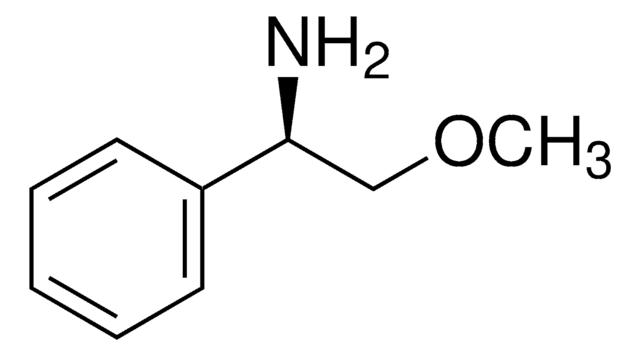
Several naturally occurring alkaloids, i.e., morphine, (S)-reticuline or berberine, embedded in the 2-phenethylamine unit form more complex cyclic frameworks derived from its natural biosynthetic pathways (Figure 1). As a supplement and in its natural form, PEA plays a key role in helping patients focus and remain alert. PEA increases dopamine levels in the brain and also helps augment the concentration of epinephrine and norepinephrine in the body. They work together to increase alertness, focus and energy in high doses (x, x, x).
A comparison of PEA’s action to that of other trace and biogenic amines is provided (Illustration 3). Finally, Chapter III describes the role of PEA in food processing, starting with its occurrence in fermented food and meat as the result of microbial metabolism (3.1) and its occurrence in chocolate as the result of thermal processing (3.2). The article concludes with the recently described use of PEA as an antimicrobial to be used in the processing of beef meat (3.3). Numerous endogenous compounds—including hormones, monoamine neurotransmitters, and many trace amines (e.g., dopamine, norepinephrine, adrenaline, tyramine, and others)—are substituted phenethylamines. Dopamine is simply phenethylamine with a hydroxyl group attached to the 3 and 4 position of the benzene ring. Several notable recreational drugs, such as MDMA (ecstasy), methamphetamine, and cathinones, are also members of the class.

Phenylethlamine In Chocolate
Scientifically, PEA acts as a neuromodulator and neurotransmitter, influencing the release of dopamine and other catecholamines in the brain. Some small clinical studies and animal research have suggested that PEA supplementation may provide benefits for mood enhancement and attention. For example, a handful of studies have explored its potential role in alleviating symptoms of depression, particularly when used in combination with monoamine oxidase B (MAO-B) inhibitors, which slow its breakdown and extend its effects. Additionally, anecdotal evidence and consumer reports consistently highlight its energizing and focus-promoting effects.
Its level increases during fermentation of cocoa and in roasting cocoa beans, with a concentration in the mg per kg range. This led to a widely-touted suggestion that people could increase their brain levels of PEA by eating chocolate, and that this could be linked with falling in love (even nowadays, especially around February 14th). This may have done wonders for chocolate sales, but the rapid metabolism of phenylethylamine by MAO-B will stop this PEA from reaching the brain.
Risks And Side Effects
Later, animals were trained to discriminate racemic α-ET from vehicle,113 and greater than one year of training was required to establish the stimulus cue (see comments in Section 10 on training animals to discriminate MDA from vehicle). Α-ET stimulus generalization occurred to PMMA and DOM, and partial generalization was seen with (+)amphetamine (Table 8). Taken together, the results indicated that S(+)α-ET was, primarily, a DOM-like agent, R(-)α-ET was more of a (+)amphetamine-like agent, and that both isomers produced a PMMA-like effect. The results are noteworthy because they showed that the stimulus effects of certain indolalkylamines, as well as phenylalkylamines, might be explained by the Venn diagram depicted in Figure 10. Nothing has been reported about the stimulus effects of PEA (1)-caffeine combinations.
- PEA is found naturally in various foods, particularly chocolate (told you we’d circle back to that!), certain cheeses, and fermented foods like sauerkraut.
- The experimental procedure that employs the use of lithium aluminum in reduction reactions follows the mechanism used in a Grignard synthesis.
- Many weight loss aids contain phenylethylamine, thanks to its potential to reduce or block appetite.
- It didn’t take me out of the zone, but it was almost as if I was separate from what I was doing if that makes any sense.
- Clinical evidence is lacking to rate the effects on phenethylamine on weight loss.
Substituted Derivatives
Subsequently selective MAO-B inhibitors (e.g. selegiline) were developed that do not cause the cheese effect at the correct dose. Nowadays other drugs like tricyclic antidepressants, which act differently, are the drug of choice, and they do not suffer from a cheese reaction. Tyramine and other trace amines have more recently been linked with cluster headaches.
Food Sources Of Phenylethylamine
From its mood-enhancing properties to its potential cognitive benefits, PEA stands out as a fascinating subject in the realm of neuroscience and mental health. Another significant aspect of PEA’s psychological effects is its role in motivation and reward systems. By enhancing dopamine activity, PEA may contribute to increased motivation, goal-directed behavior, and the experience of reward.
Serotonin Receptor Studies
- Phenylethylamine dosage recommendations depend on your current health, body size and medical history.
- However, more research is needed to fully understand the effects of PEA supplementation on human health.
- Two definite “no-no” combinations are MAOIs and SSRIs (both very dangerous as they are powerful antidepressants in their own right, and the combination with Phenylethylamine could result in some potent unintended consequences).
- On the other hand, phenethylamine supplements are probably dangerous for most people.
It is metabolized by the enzymes monoamine oxidase B (MAO-B) and aldehyde dehydrogenase to phenylacetic acid, which is then excreted in the urine 4. It is likely because the monoamine oxidase levels are higher than dopamine as older you become. Furthermore, using PEA particularly with a MAOI aids in restoring dopamine and other neurotransmitters which are commonly diminished as you age.
Schizophrenia patients should also use caution taking PEA because according to research, it may increase hallucinations and delusions (x, x, x). Phenylethylamine works with the central nervous system to help increase energy. PEA has been proven to sharpen focus, increase stamina and improve overall endurance, making it an effective athletic performance stimulant. It creates a short-lived sense of euphoria, but it is effective in HIIT workout sessions or short-term sports activities (x, x, x). Among the various neurotransmitters influenced by PEA, dopamine stands out as particularly significant.
What Use Is Phenylethylamine, Then?
PEA may have certain adverse consequences, especially when taken in high dosages. These symptoms can include tension headaches, motion sickness, nausea, a faster heartbeat, and high blood pressure. PEA may potentially interact with other drugs, notably those that change the brain’s levels of monoamine neurotransmitters.
However, the studies listed below should not be interpreted as supportive of any health benefit. A lot of PEA could cause irritability, nausea, increased the heartbeat, and jitteriness, and can be very dangerous. The study suggests that PEA could be a better treatment for depression as compared to SSRIs. Selective serotonin Reuptake inhibitors (SSRI) are the most commonly prescribed antidepressants worldwide. SSRIs are effective by blocking the serotonin transporter , and thereby preventing the process of reuptake of serotonin.
Schedule I drugs Schedule have a high potential for abuse and no approved medical uses. Moreover, some scientists hypothesize that chocolate cravings may, in fact, be an attempt by the body to “self-medicate,” increasing phenethylamine levels and improving mood 51, 52. Clinical evidence is lacking to rate the effects on phenethylamine on weight loss. The altered levels of phenethylamine may play a role in schizophrenia by increasing or decreasing dopamine levels.
One study in schizophrenic patients found lower amounts of phenethylamine and its metabolite, phenylacetic acid, in cerebrospinal fluid (CFS) 20. Excess phenethylamine in the urine of patients with specific types of schizophrenia has been reported, indicating it is being removed the body at an increased rate 18, 19. In another study, 9 out of 10 depressed patients that previously did not respond to conventional antidepressant treatments reported elevated mood after taking a combination of phenethylamine and selegiline. The sample size of this study prevents us from drawing any conclusions 17. Some studies have shown that phenethylamine and phenylacetic acid, a byproduct of phenethylamine, are decreased in depressed patients 11.
After 3 washes for 10 min, the stop solution was added into the wells, and then the absorbance was measured at 450 nm in a GloMax microplate multimode reader (Promega, Madison, WI, USA). Β-PEA and a DAD1R antagonist, SCH23390, were purchased from Sigma-Aldrich (St. Louis, MO, USA). The intraperitoneal (i.p.) injection for SCH23390 was determined based on a previous study 63. For self-administration studies, a working solution of saline or β-PEA was filtered through a syringe-mounted 0.22-µm Minisart® Syringe Filter (Sartorius Stedim Biotech, Goettingen, Germany) immediately before use.