Under the Foreign Account Tax Compliance Act (FATCA), U.S. taxpayers with foreign financial assets exceeding $50,000 must report them to the IRS. Failure to comply can result in penalties of up to $10,000 per violation, with additional fines for continued noncompliance. Businesses use ultraviolet scanners and counterfeit detection pens to mitigate risks. Retailers and financial institutions train employees to recognize security features in banknotes.
Why Do People Engage In Black Market Activities?
The counterfeit goods market is a prime example, where legitimate brands suffer from lost sales and damage to their reputation, while counterfeiters reap the benefits without bearing the costs of research, development, and marketing. This includes everything from fake luxury handbags and watches to pirated software and pharmaceuticals. Counterfeit products are often produced in countries with lax intellectual property laws and then smuggled into markets where demand for cheaper alternatives is high. The proliferation of counterfeit goods not only undermines legitimate businesses but also poses serious risks to consumers, particularly in the case of counterfeit medications that may be ineffective or harmful.
Additionally, black markets tend to take a business away from law-abiding entrepreneurs. For example, if someone performs a service without the necessary certification, they are undermining the regulatory system and taking a business away from operators who are following the law. This is part of the controversy around Airbnb (ABNB -2.25%) and other home-sharing platforms, which some critics call illegal hotels. Black market transactions aren’t taxed or recorded as income since they typically take place using cash without a paper trail. Prevalent corruption in Spain has led the foundation for the expansion of the black market in the country. It has caused great loss to the actual economy of the country and brought a major crisis.
Understanding The Mechanics Of Black Money
- Washington state, by contrast, maintained law enforcement pressure on illegal marijuana after voters legalized pot in 2012, which gave the new licensed industry time to establish itself.
- A black market was a major structural feature of the Soviet economy throughout the communist era.
- Countries must come together to share intelligence, coordinate their enforcement efforts, and enact legislation that actively discourages illegal activities within their jurisdictions.
- Differences in tax rates can thus lead to opportunities for arbitrage even when prices before tax are equal, in a form that is illegal as a form of tax evasion.
Often black market activities may benefit the direct participants in ways that are harmful to others, such as the buying and selling of stolen property. Black market activities of certain types can create clear and unambiguous harm to society, such as murder-for-hire services. This episode illustrates the relationship between the black market and the mainstream American economy. By refusing to pay the tax on liquor, the farmers were defending the black market, or the “informal economy,” of barter and pseudo currency. Every time that the government passes laws making ordinary activity illegal, the boundaries of the “black market” expand to include this illegal activity. This happened in the 1920s when the 18th amendment to the Constitution ruled alcohol illegal.
Cons Of The Underground Economy
As technology continues its relentless march forward, the black market will likely evolve in tandem, leveraging new tools and methods to stay one step ahead of law enforcement agencies. Cryptocurrencies, such as Bitcoin, have already demonstrated their potential to facilitate anonymous transactions, making it increasingly difficult to trace the financial flow within the black market. Encrypted communication channels and the dark web further complicate efforts to monitor and combat illegal activities. Law enforcement agencies must remain vigilant and adaptable, staying at the forefront of technological developments to effectively curb the growth of the black market. Black money significantly impacts economies through tax evasion, promoting corruption, and influencing the underground economy.
Get professional help from an online addiction and mental health counselor from BetterHelp. “They’ve had a really concerted effort to engage the community and they’re doing a lot of interesting things in terms of optimising the recovery of organs from as many potential donors as they can.” “They’ve done that, not by relaxing the ethics or taking ethical shortcuts or exploiting people; instead they’ve had a government that’s really invested in the donation program,” Professor Martin says.
What Are The Most Lucrative Shadow Markets?
Underground economies are a familiar scene in nearly every country, but they are most prevalent in less- or under-developed areas. In the U.S., it is estimated that the underground economy averages between 6.4% and 12% of GDP. Underground economies take tax revenues, and thus benefits, from social or other programs that developed economies have in place to assist those in need.
Biological Organs
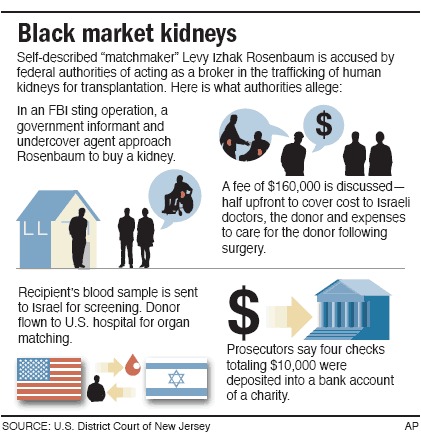
In Nepal, poverty has pushed people for decades to sell their kidneys to traffickers who then profit on the black market. Suppliers are often paid far less than originally promised; other lies include promises of no medical complications and that the removed kidney will grow back. NEW YORK — Dozens of dark market websites offering a range of illegal goods and services for sale on the Tor network went dark Thursday following a coordinated international law enforcement action.
Why Has The Black Market Continued To Grow While The Rest Of The Economy Has Stagnated?
The trade-related black market encompasses various illegal activities involving the trafficking of goods and services, which can have significant economic and social impacts. In this section, we will provide an introduction to trade-related black market activities and explore their overall impact. There is a big demand and a large market for these goods, despite strong laws designed to punish those who sell fake goods. The sale of counterfeit goods reduces the profits made by legitimate manufacturers and also undermines confidence in the market as a whole.
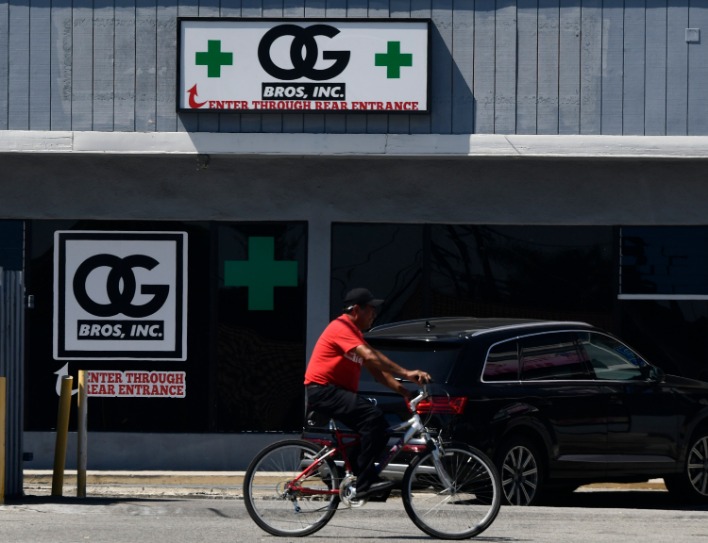
FAIRFIELD, Calif. — On a crisp winter morning last month, Sgt. Erin McAtee watched as members of his team with the California Department of Cannabis Control executed a search warrant at a home in Fairfield, halfway between Sacramento and San Francisco. He’s against it, because he believes it encourages the illegal pot farms in the hills of Riverside County. “When we went up to the house we could smell marijuana. We found a greenhouse in the backyard which contained a few hundred small marijuana plants,” he says. They also found guns, and they run the names of two people on the site to see if either one is a felon, and not allowed to have a firearm. Riverside County Sheriff Department Sgt. Jeremy Parsons collects cannabis clippings and firearms from an unlicensed greenhouse in Perris, Calif. Linares says some of the unlicensed stores are identified with the green cross emblem, borrowed from the medical marijuana movement that predated recreational stores.
The Unrecorded Economy
Two thirds of global daily oil exports are transported by sea, reports the UN Conference on Trade and Development, and a staggering 64 percent of international waters are areas beyond any national jurisdiction. Non-state actors offshore West Africa, Bangladesh or Indonesia take advantage of loopholes created by international law and the law of the sea. Transfer of illegal fuel is often done ship to ship on neutral waters – with one ship commercially legal, recognized as carrying legitimate imports at the final port of destination.
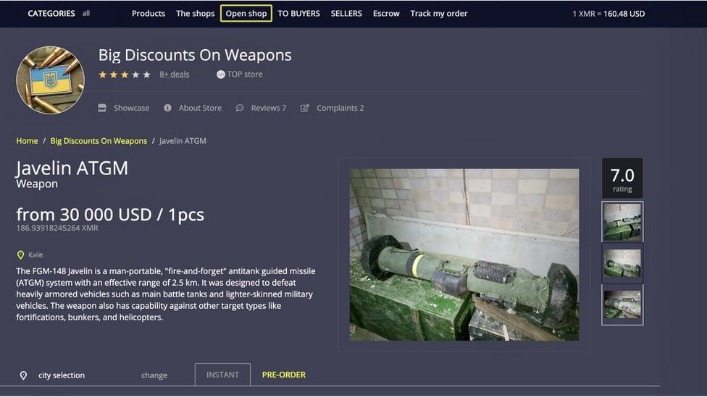
Although policymakers can influence the extent of antipathy towards the black market by educating the public and sustained public relations, it often proves very difficult. A black market can be a physical market where two individuals meet to exchange illegal goods—for example, a drug transaction on a street corner. A black market can also exist online, such as on the dark web, where individuals communicate to exchange goods and payments are made in digital currencies.
- Second, a drop in demand is observed as a prohibition of possessing the good deters some consumers from wanting to buy it.
- As of 2022, 37 states and the District of Columbia have legalized the plant for medical use, which is now abundantly present in some food products, as well as many topical and oral medications.
- In fact, fuel traders have reported that the problem is so pervasive that many companies calculate in advance for losses up to 0.4 percent of any ordered cargo volumes.
- Underground market transactions provide no recourse to the buyer in case the product is defective, and a buyer in an underground market can suffer penalties and jail times just as easily as a seller can.
- The term black market can also be used in reference to a specific part of the economy in which contraband is traded.
Cheap, unregulated, or non-compliant tobacco products flood the market through illicit channels, making them easily accessible to consumers. This undermines efforts to reduce smoking prevalence and protect individuals, particularly the youth, from the harms of smoking (PMI Global). The prevention of illicit trade in tobacco products is a crucial component of public health policies worldwide. Where taxicabs, buses, and other transportation providers are strictly regulated or monopolized by government, a black market typically flourishes to provide transportation to poorly served or overpriced communities. In the United States, some cities restrict entry to the taxicab market with a medallion system (taxicabs must get a special license and display it on a medallion in the vehicle). In most such jurisdictions it is legal to sell the medallions, but the limited supply and resulting high prices of medallions have led to a market in unlicensed carpooling/illegal taxi operation.
It also refers to any income-generating endeavor that is not reported to government authorities and, consequently, is not taxed. Third, the black market’s parameters are blurred by the fact that some private transactions remained legal. Through at least the 1950s, most black-market sales took place at outdoor markets or bazaars. The primary function of these venues, from an official point of view, was to enable farmers to sell surplus produce after all delivery obligations had been met. Their secondary function, however, was to provide a space where any citizens could hawk used clothes and surplus possessions, and where registered artisans could sell certain kinds of handmade goods. These transactions, which eventually came to include the private provision of services, included many shadings of legality.