While the dark web was conceived to facilitate confidential communications, cryptocurrency was developed to make untraceable payments. While this role has traditionally been undertaken by cash, which is still used for transactions that cannot be traced, cash is restricted to the physical world. The adoption of the internet worldwide created a need for making international payments that were digital and could not be traced, and cryptocurrencies were the perfect fit. It could be argued that the dark web could not exist in its present form without the anonymity that digital currencies provide. The creation of the open-sourced Bitcoin in 2009 by Satoshi Nakamoto played a crucial role in this development.
Examples Of Deep Web Content:
However, if you’re determined to access the dark web, there are several steps you should take to protect yourself. Pay close attention to the data permissions you authorize, which means you don’t want to click “yes” each time a popup appears on a website asking for it. However, even if you follow these tips, ultimately, some info regarding you will appear on sale on the dark web. Fortunately, if this data is no longer accurate to create harm, you have little to worry about – especially if you use multi-factor authentication. Additionally, using robust anti-malware software is another way of staying safe.
How To Access The Deep Web
The deep web resides just beneath the surface web, and it comprises content and services largely inaccessible to regular internet users. Though some content and services on the deep web are obscured through non-indexing, the majority are hidden through paywalling and password protection. Most of the deep web’s content and services are accessible via regular web browsers.
People use the Dark web for purposes of Human trafficking, hiring hitmen, selling weapons and drugs, child pornography, racist content, and content that speaks hate about minorities and otherwise. One cannot reach the Dark Web so easily since they have created strong encryption that is unreachable to the average user. Internet is a virtual world with billions of devices which means there is uncountable internet traffic. The Deep Web and Dark Web are part of the overwhelming virtual world. To use these browsers and their functionalities and understand the difference between Deep Web vs Dark Web, you need to read this blog till the end.
Top Cybersecurity Tools For Small And Medium Businesses (SMBs)
- Therefore, to avoid trouble, make sure that you visit just reputable sites, apply secure connections, and adhere to a privacy directive.
- No, you cannot access the dark web through a regular browser, like Google Chrome, Firefox, etc.
- But a single set is generally enough if it’s just about one or a few “informational” visits.
- However, the reality is these places are very different and have a warped public perception.
- Preventive Approach participates in various affiliate marketing programs, which means we may get paid commissions on editorially chosen products purchased through our links to retailer sites.
- The single-largest chunk of the Deep Web actually consists of statistics and databases, with U.S.
The dark web is actually considered to be a small part of the deep web. It can only be accessed through special networks like Tor or via static IPs shared privately. However, the dark web is also used by individuals seeking online privacy or to bypass censorship in their home countries. Specialized browsers like Tor enable anonymous access to this part of the web. Its secure protocols and encryption ensure that even if your traffic passes through a compromised node, the authorities can’t trace any activity back to you.
The Internet Is Not The Web
Misconfigurations, weak authentication, or stale credentials can expose private content—leading to unauthorized access, data leakage, and compliance issues. A dark web marketplace is the equivalent of eBay but on the dark web. People use these platforms to sell illegal items, such as drugs, weapons, hacking services, stolen goods, and illegal services. Law enforcement agencies all over the world are aware that the Dark Web enables criminality. This is why they carefully monitor the dark web and dark web marketplaces. By nature, the deep web is the part of the internet that offers more data than the surface web.
Similar Content Being Viewed By Others
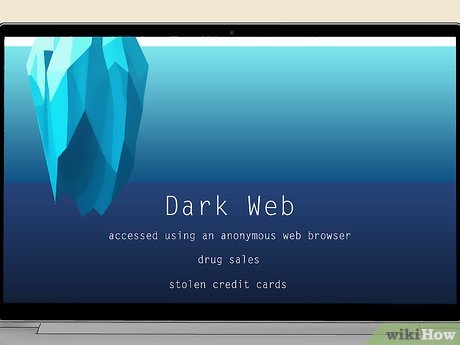
Many websites on the deep web avoid showing up in search engine results by blocking the bots that ‘crawl’ the internet to collect information for search engine indexes. Other options exist, but they are generally created to fulfill specific purposes, such as file sharing. On the other hand, one cannot visit the dark web without purpose-built software. This is because the dark web is placed on darknets, an overlay network that exists ‘on top of” the regular internet.
With that said, any regular internet user can visit the dark web, which is not illegal to use. In fact, it can be argued that the closure of Silk Road and the subsequent arrest and conviction of Ross Ulbricht, its founder, only heightened interest in darknets and their illegal wares. Sociologist Isak Ladegaard, who built an algorithm to monitor sales data on Silk Road-type marketplaces, declared that all the media coverage boosted people’s awareness of the existence of the dark web.
Dark Web Vs Deep Web: What Is The Difference?
Below, we’ve included an explanation of the deep and dark web and their differences. Security teams often focus on dark web monitoring while overlooking equally critical deep web sources like GitHub or Telegram. However, threats can often originate in the deep web before escalating to the dark web.
The Tor browser was designed to facilitate anonymous message sharing among U.S. spies spread across the world, and was made publicly available software in the early 2000s. Like other parts of the internet, the dark web has scams and third parties trying to steal your data through phishing. Browsing the dark web can expose your device to malicious software. Malware, including viruses, trojans, and ransomware, can infiltrate your system, leading to data theft, loss, or damage. Downloading files from this environment can potentially expose your devices to a variety of threats and malicious content.
Non-technical people who are interested in satisfying their curiosity can quickly get into trouble. As such, you shouldn’t go looking around this area of the web unless you’re prepared and know what you’re doing. Additionally, the dark web can pose a threat even to those who don’t mess with it. The reason for this is because the primary transacted good is the data of users. There are gigabytes worth of information in the form of leaked data that is for sale. This leaked data helps hackers and other cybercriminals get the info needed for identity theft, stuffing attacks and nefarious activities of all kinds.
It operates through a purposely obfuscated system of relay servers. These “entry nodes” keep users anonymous while browsing dark web websites. Company data that businesses store internally to manage operations and consumer data from inputted forms belong to the deep web. This data may include passwords, billing information, or purchase history—accessible to the user upon logging in but hidden from everyone else. Organizations of all sizes, even large enterprises, can regularly leak sensitive data via public GitHub repos.
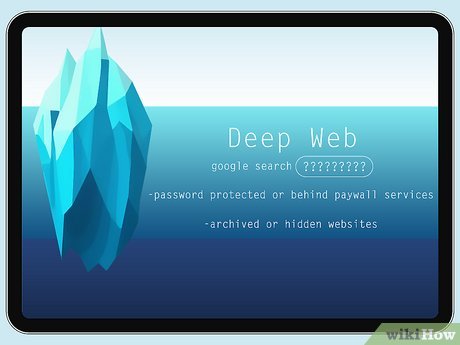
However, understanding the distinction between these two realms is crucial for anyone seeking to navigate the digital landscape safely and sensibly. Although they are closely related, the Deep Web and Dark Web serve distinct purposes and harbor different types of content. This article explores these two concepts in detail, discussing their definitions, characteristics, implications, and the miscellaneous activities they encompass. Another challenge of finding dark web sites is that they don’t often last long. Many sites become defunct quickly, either because they are shut down due to illegal activity, their founders lose interest, or they change addresses and names to avoid detection. When accessing the dark web, the first step is to install a dark web-friendly browser on your computer.
Here, it’s a wild west of content, from illegal drugs to black market weaponry. If it’s banned on the Surface Web, it’s probably for sale on a darknet market. In this article, we’ll explore a corner of cyberspace where anonymity reigns supreme, and the scales of legality can vary wildly. Being clear on this difference is the first step toward using the internet more consciously and intelligently—whether you’re an individual user or an organization looking to safeguard its digital assets. Understanding what the Deep Web and the Dark Web are isn’t just a matter of curiosity—it’s essential for protecting your digital security and making smart decisions online.