This increase in reported use was especially true for those between the ages of 12 and 25 (SAMHSA, 2021). In response, social media companies’ algorithms to detect drug-selling behavior are getting smarter and are aggregating images and emojis, Fuller says. “There is an understanding that seeing these ads on social media is correlated to a decreased risk perception, and young people are led to think the drugs are safer.” Of the teenagers she sampled, 10 percent reported purchasing drugs via social media. “Those exposed to drug ads were 17 times more likely to purchase drugs on social media compared to those who had not seen such ads,” she adds. To the UNODC, this suggests “an increase in wholesale activities” on the dark web—though this could also reflect consumers who buy smaller quantities shifting from the dark net to the clear net and encrypted messaging apps. For every illegal drug, there is a combination of emojis that dealers and consumers use to evade detection on social media and messaging platforms.
In many countries in North America and Europe, online pharmaceutical companies have already collaborated with insurance companies. It supports insurance solutions, reducing the final pricing for consumers such as Multimed. In the online pharmacy market, the end-user segment is divided into hospitals, individuals, and others, each with unique needs and requirements.
By Platform Type (2021-
- Given the explosive growth of these markets, organizations must prioritize proactive threat monitoring.
- Social media companies are under growing pressure to eradicate drug dealing on their platforms, says Ashly Fuller, a PhD candidate at University College London researching the sale and advertisement of illegal drugs to young people on social media.
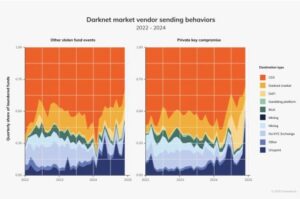
- Over the last decade, virtual markets have been changing the dynamics of how drugs are bought and sold.
- Second, hot spot and zero tolerance policing can lead to riskier behavior by those involved in drug dealing and using.
It frequently offers secure ways to submit prescriptions, offers drug information, and guarantees covert packing & delivery. Country-wide, North America represented chief portions of the worldwide E-drug store market because of the rise of programming innovation in the clinical sector. High users of app-based pharmacies, increasing presence of online retail pharmacies and increasing web dependent population are the significant factors that fill the worldwide E-drug store market. There are eminent central members and advances in the drug and other life sciences enterprises that demand a greater amount of the E-drug store market. The United States (US) is the biggest fragment of the E-drug stores market because of its familiarity with well-being and health and rising chronic diseases in the nation.
3 What Are The Themes Of Previous Research On Illicit Online Pharmacies By Year?
Targeted venues either moved to other locations or reopened shortly after they had temporarily closed. This displacement of drug markets is also likely to happen on cryptomarkets as the cryptomarket ecosystem is remarkably resilient to law enforcement takedowns (Décary-Hétu & Giommoni, 2017; ElBahrawy et al., 2020). Second, hot spot and zero tolerance policing can lead to riskier behavior by those involved in drug dealing and using. For example, heroin dealers might adapt to the increased police presence by storing and distributing heroin caps orally (Spicer, 2021), and users may engage in riskier practices such as sharing of syringes (Bourgois & Schonberg, 2009).
Data Analysis
The increasing patient population, along with the rising geriatric population, is driving the demand for medications. A growing number of people prefer online pharmacy platforms to purchase their medications. The patient can order the medicine anytime through their mobile phone or using their computers with internet connectivity. With growing online pharmacy platforms, including e-pharmacies, government initiatives to promote digital health, and e-commerce, India and China are among the countries experiencing the highest growth in their e-pharmacy market. Moreover, the growing prevalence of chronic diseases, the need for cost-effective drugs, and contactless healthcare solutions to driving market growth in the region in turn. Regional growth has been driven by local players, and startups are quickly scaling operations.
Freshtools is a unique marketplace in that it does not only provide the stolen data, but it allows criminals to purchase MaaS which can cause further damage to the victims. It is one of the most active and up to date markets and always provides new and updated malware and data. Its focus on financial fraud and high-value transactions has attracted a dedicated user base, contributing to its growing reputation and market value.
The 10 Biggest Dark Web Markets In 2025 – Updated List & Security Insights
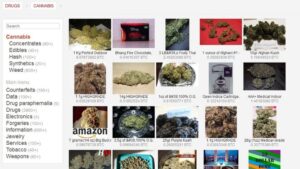
The increase in online cannabis sales was primarily driven by a relatively dramatic increase in sales of smaller quantities as estimates of total revenue generated fell by 17% over the same period (EMCDDA, 2020b). As shown in Figure 7, descriptive analysis (e.g., frequency counts and percentages) remains the most common form of data analysis. Artificial Intelligence (AI) and Machine Learning (ML) segment is revolutionizing the online pharmacy market by enhancing operational efficiency, improving customer experiences, and optimizing drug management. AI-driven algorithms analyze vast amounts of data to predict consumer behavior, allowing pharmacies to personalize marketing strategies and recommend products tailored to individual preferences. Integrating user-friendly platforms, seamless payment gateways, and fast delivery services has further strengthened consumer trust.
The US Drugs Market Trends
According to the Alliance for Safe Online Pharmacies, over 95% of websites selling prescription drugs operate illegally, with minimal verification of medical legitimacy. In Indonesia, the Ministry of Health identified more than 10,000 Facebook and WhatsApp-based drug sellers in 2023, many offering prescription medications without valid prescriptions. These informal channels exploit regulatory gaps and consumer price sensitivity, particularly in markets where out-of-pocket healthcare spending is high.
From a consumer perspective, the availability of OTC drugs online offers greater convenience, particularly for those in remote areas or with limited mobility. Online pharmacies often provide competitive pricing, discounts, and access to product reviews, enabling informed purchasing decisions. The discreet delivery of healthcare products also appeals to individuals seeking privacy for personal care needs. As per The Mobile Economy 2020, smartphone penetration was 65.0% in 2019 and is expected to reach 80.0% by 2025. The boom in the healthcare sector coupled with high operational costs has created the need to cut operational costs with the implementation of ePharmacy solutions.
Dunlap et al. (2012) show that although many drug users do not change their drug habits during economic crises, some edge cases do induce shifts in illicit drug markets. Their study of New Orleans in the aftermath of Hurricane Katrina shows a rise in drug prices to adjust for the fact that the catastrophe had inevitably led to a shortage of drugs. The health, wellness, and nutrition segment is projected to be the fastest-growing segment in the forecast period owing to increasing consumer demand for preventive healthcare and comprehensive well-being.
SEGMENTAL ANALYSIS
Furthermore, a study of the first page of search engine results for purported COVID-19 treatment queries found that 78% of online pharmacies listed are IOPs, and most do not require valid prescriptions 12. The pandemic did not impact upon different countries at the same time and with the same level of intensity. To account for geographical-based differences in impact, we took into account the severity of the loss of human life in each vendor and buyer country, at the time of the transaction.
Brazil and Mexico lead regional growth, with Brazil accounting for over 50% of the market. The Brazilian Internet Steering Committee (CGI.br) reports that internet penetration reached 81% in 2023, with over 170 million users, enabling digital health adoption. The Brazilian Medical Association states that over 60 million teleconsultations were conducted in 2022, many resulting in e-prescriptions. Regulatory progress is accelerating—ANVISA has extended temporary online prescription regulations. The rollout of national digital health initiatives for ePharmacies to integrate into formal healthcare systems and achieve scalable legitimacy is ascribed to bolster the growth of the ePharmacy market. Governments worldwide are investing in unified health data networks that enable secure e-prescriptions, patient identity verification, and interoperable pharmacy linkages.
For instance, on 5 May 2023, AmerisourceBergen, a leading producer of healthcare products and services, and SteadyMD, a provider of business-to-business telehealth services, formed a strategic alliance. The collaboration will initially focus on developing and testing the Test to Treat telehealth service for independent community pharmacies. The Test to Treat concept enables people to get tested at an independent pharmacy for a sickness or condition, and if necessary, meet with a SteadyMD doctor to get a prescription for treatment.
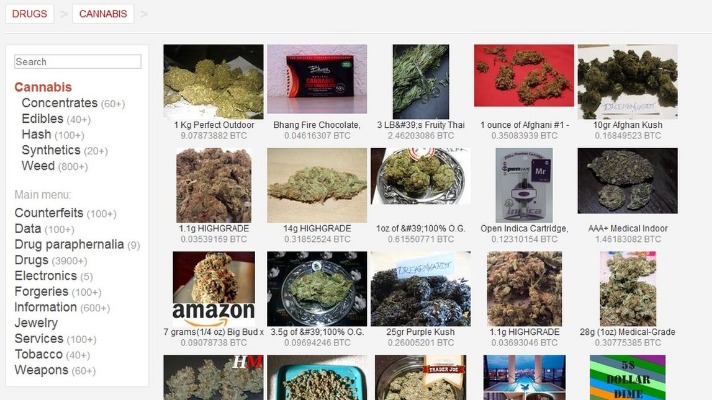
It appears that as the pandemic wore on users who had not previously made online purchases turned to online purchases as a means of securing their drugs. This conclusion is consistent with other known facts about changes in the drug market after the pandemic. Second, restrictions on social gatherings and lock-down orders would limit the number of people in public spaces that need to be observed, face-to-face drug transactions likely involved greater risk of detection during the pandemic than they did prior to the pandemic. Police presence on the street continued to be heavy and border controls became more robust (UNODC, 2021), and border patrol seized more drug shipments in the first months of the pandemic than in the three months before the pandemic (UNODC, 2021). Because of the pandemic induced lockdown orders, individuals stayed home and shifted many of their daily activities online. These circumstances may have initiated market adaptation, where drug transactions were shifted online and drug delivers are made via postal or individual courier services.