This trend is particularly notable as governments invest in extensive infrastructure initiatives to support economic growth and urban development. The global bricks market was valued at USD 1,642.15 billion in 2022 and is expected to grow at a CAGR of 3.1% from 2023 to 2030. The market is a vital component of the construction industry, serving as one of the oldest and most fundamental building materials.One of the key characteristics of the market is its versatility. Bricks come in a wide variety of sizes, colors, and textures, allowing architects and builders to create structures with diverse aesthetics and functionalities.
Brick Market Structure, Competitive Intelligence And Key Winning Strategies
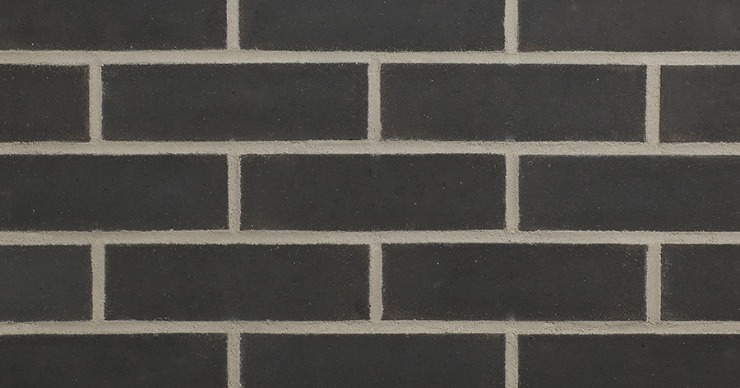
The competitive landscape is meticulously detailed, including the Concrete Block and Brick Market of significant competitors. The report incorporates novel research methodologies and player strategies tailored for the anticipated timeframe. Overall, it offers valuable and comprehensive insights into the market dynamics in a formal and easily understandable manner. Some of the different types of bricks available in the market are clay bricks, concrete bricks, sand-lime bricks, and fly-ash bricks.

Clay Brick Market – Global Industry Size, Share, Trends, Opportunity, And Forecast, 2020-2030F
The COVID-19 pandemic has been unprecedented and staggering, with market increases experiencing higher than anticipated demand across all regions compared to pre pandemic levels. The sudden rise in CAGR is attributable to the market’s increase and demand returning to pre pandemic levels once the pandemic is over. The independent indoor market is seeing more and more small businesses taking residence at the site, including clothes companies such as Cow, Dark Bull Vintage and Rift Retro. For all your accessory needs there’s Selected Steeze offering hand-picked vintage pieces and On The Sunshine selling snazzy handmade jewellery.
Brick Market Report: Trends, Forecast And Competitive Analysis To 2030
The market within the residential building segment is characterized by its adaptability and the diverse applications of bricks, from enhancing exterior facades to creating appealing interior spaces and functional outdoor landscapes. These versatile building materials continue to be integral to the construction and design of residential properties. The COVID-19 pandemic has considerably impacted the market, as it did on many industries worldwide.
Global Brick Market Trends And Insights
Asia-Pacific is poised for rapid growth in the bricks market due to burgeoning urbanization, extensive infrastructure projects, and increased construction activities. The region’s robust economic development has led to a surge in demand for affordable housing and commercial spaces, driving the need for construction materials like bricks. Moreover, supportive government initiatives, coupled with a rising population, contribute to sustained growth. The construction boom in countries such as China and India further solidifies Asia-Pacific as a key market for bricks, with the potential for continued expansion in the future. The market is highly competitive, driven by a combination of established players, regional manufacturers, and innovative startups. The focus on sustainability and eco-friendly construction practices has spurred innovation in the market.
This artisanal market is found in the Old Truman Brewery and has a bustling array of stalls for all of your creative needs. You can find lovingly crafted handmade jewellery, brilliant prints, clothing by up-and-coming designers, unique mosaics, artisanal food, and many more artsy pieces to fill your home or give as a bespoke gift. Brick Lane’s markets are a true haven for antique treasure hunting, vintage shopping, and street food exploration. The brick industry is positioned for continued evolution as innovation, environmental imperatives, and trade dynamics converge.
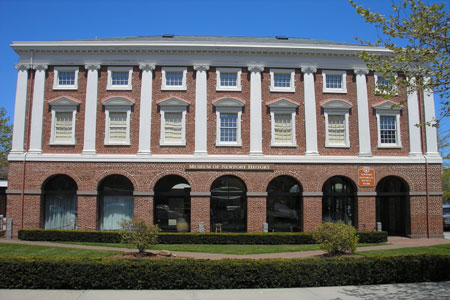
Moreover, these industry giants continually invest in research and development, introducing innovative designs, materials, and smart features in cloth wardrobes, catering to evolving consumer needs and preferences. The collective efforts of these major players significantly impact the competitive landscape and future trajectory of the Concrete Block and Brick Market growth. 1793 was a major year for the Brick Market as the upper floors of the building were leased to Joseph Harper and Alexander Placide for the construction of a theater.
Key Global Brick Industry Players
- Dealer and retail outlets captured 60% of brick market revenue in 2024 thanks to entrenched suburban dealer networks and DIY refurbishment demand.
- In October 2021, Wienerberger successfully finalized the purchase of Meridian Brick in the North American market, encompassing their operations in both the United States and Canada.
- According to the application, the residential building segment held a 32% revenue share in 2024.
- Lastly, it is crucial to mention that we still cannot do without the bricks in global construction as they described by their durability and versatility.
- Construction companies are speeding their investment plans, which will involve the use of cutting-edge building materials, in an effort to make up for the losses they experienced.
One of the driving factors for using brick is its capacity to sustain harsh weather conditions and provide high structural efficiencies. Besides, an attractive aesthetic appearance is appreciated by all, right from residential structures to commercial ones. The Global Brick Market comprises an integral segment of the value chain of the construction materials industry; it lies at the confluence of classic artisanship and modern engineering. Bricks, by their very nature, have taken on a significant role in building structures for centuries and remain an essential element of architectural landscapes worldwide. This enduring eminence has developed due to certain features intrinsic to bricks—features of strength, wide applicability, and aesthetic appeal that make them an important necessity in most building projects.
Bricks Market- Global Industry Growth And Trend Analysis
Bricks configured with interlocking edges accelerate installation, lowering contractor costs and aligning with quick-turn renovation schedules. Parterre and decorative garden formats resurface in premium estates where aesthetic differentiation commands higher margins. Industrial customers favor acid-resistant bricks for furnace linings and chemical-processing pits, reinforcing a diverse end-use spread that shelters producers from single-sector downturns.
What Is The Estimated Value Of The Brick Market?
Artistic designs are added to landscapes, therefore bringing out the other dimension of the bricks apart from their traditional construction use, in a very unique way. The parterre application puts forth the decorative aspect of bricks, hence influencing architectural and landscaping trends. They impinge on the structuring and durability of a building structure, equipped to sustain all weather conditions, therefore assuring its long life.
Bricks are not used for making buildings in high seismic zones as they are very likely to be damaged during earthquakes and are able to cause a large number of human fatalities. Moreover, bricks absorb water easily, therefore they causes fluorescence when not exposed to air, which encourages consumers to lessen their adoption. Digital portals such as Beacon PRO+ let site managers place repeat orders and track deliveries, improving inventory accuracy and cash-flow planning. Artificial-intelligence tools route trucks to mitigate driver shortages and cut fuel burn, further reducing landed costs. Dealers respond by specializing in colored or antique-finish bricks with value-added design services, protecting margins even as high-rise contractors bypass intermediaries. Market participants expect hybrid models where manufacturers run direct key-account teams while maintaining dealer partners for patchwork residential demand.
You’ll also learn about historical events about the area as you explore Shoreditch and Brick Lane. These markets are centred on Brick Lane in East London and boast a thriving Bangladesh community. Brick Lane Market London, also known as The Truman Markets, isn’t just one market but five different markets weaved into one. This report employs a combination of primary interviews with executives, procurement leaders, and engineering consultants, as well as secondary research such as trade publications and policy documents.
Brick Lane Market Vintage- The Vintage Market
The Bricks market is currently experiencing moderate growth due to the increased demand for sustainable and energy-efficient building materials. The fluctuation in raw material prices coupled with strict environmental regulations is posing challenges to the growth of the Bricks market. Moreover, the availability of alternative building materials like wood and metal is also a challenge for the market. Beyond their structural utility, bricks also contribute to aesthetic appeal, with different colors, textures, and finishes available. Modern construction techniques incorporate innovative materials, such as interlocking bricks or those made from recycled materials, to enhance sustainability. Despite advancements in construction technology, traditional bricks continue to play a crucial role in the global building industry, symbolizing resilience and endurance in architectural heritage.