However, it’s important to stress that not all security actions on the dark web are legally safe or advisable from an ethical perspective. Deep web content may include confidential data, requiring robust access controls and encryption. The dark web is a section of the deep web protected by multiple layers of encryption. Continue reading to learn more about the differences between the deep and dark web, and how you can keep your information protected from both. When these two concepts aren’t clearly distinguished, it’s easy to fall into fear, misinformation, or even make serious mistakes when it comes to protecting your data. Understanding their differences is essential for navigating the web safely and responsibly.
Indexed Web
In the end, this is advantageous because one does not risk increasing personal safety or ethical integrity in this increasingly digital world. For comprehensive protection against scammers, viruses, and ransomware across every layer of the internet, get Norton 360 Deluxe. Despite its reputation, many people use the dark web for legitimate purposes, such as secure communication for journalists, activists, and those seeking uncensored information.
- With the Deep Web, if you’re accessing personal accounts or sensitive data, the primary risks are related to security and privacy breaches.
- It has its own deep web, as dark web websites come with user accounts and other private areas.
- Many dark internet users favor Tor which uses a network architecture originally developed by the U.S.
- Examples include software as a service (SaaS) solutions, paid news websites, and streaming services.
- Phishing sites or malware can be used to gain access to your login credentials potentially leading to data theft or account takeover.
Cybersecurity Workforce Trends In 2025 – Skills Gap, Diversity And SOC Readiness

They can only be accessed using Tor Browser, which gives users access to the Tor network. The Tor network was created to allow completely anonymous (with some additional precautions ) communication over the internet. When a user and a website send data to each other over Tor, the data packets are randomly routed through a massive network of volunteer computers. Each of these nodes only knows where the packet just came from and where it’s going next, as each layer of an encryption onion is stripped from the packet contents. It’s only when the packet reaches the final destination that the last layer of encryption is removed and the intended recipient gets the original data.
Security Implications And Solutions
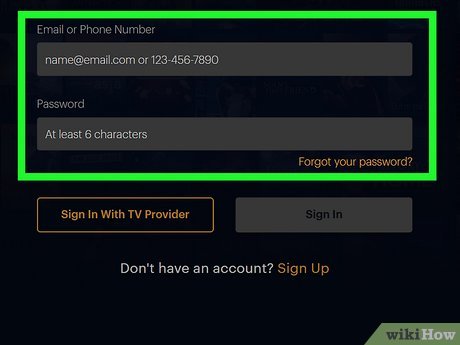
The user credentials available on the internet like Gmail, blogs, social networks, online banking details, medical records, and more are solely a user’s property stored on the internet. On the other hand, the dark web is a dark reflection of the regular World Wide Web. It has its own deep web, as dark web websites come with user accounts and other private areas. The dark web is a smaller, intentionally hidden part of the internet that requires special software (like the Tor browser or I2P) to access.
Legal Implications
Companies can passively monitor activity and data sales on dark web marketplaces. They detect stolen employee logins, customer data, postal addresses, social security numbers, and other valuable personal data relating to your business operations. Data protection increasingly requires active dark web monitoring to manage compliance risks.
So, we can decipher the dark web as the World Wide Web of the darknets like Tor, Freenet, etc. That is, the services and websites running on the darknet is the dark web. The key difference between the deep web and a dark web is that they both are different from the surface internet and cannot be accessed for general purposes. However, the deep web requires authorization and the dark web requires specific sets of tools and software for decryption. The risks of the dark web come when you aren’t careful with what you access. The deep web is the part of the internet you can’t access through search engines like Google and Bing.
The terms dark web and deep web are perceived to be linked with illegal and otherwise suspicious activity; however, a vast difference exists between the two. If the surface web is the visible part of an iceberg above water, the deep web is the part submerged beneath – much larger but hidden from plain view. Some people use the terms ‘dark web’ and ‘deep web’ interchangeably; however, significant portions of the deep web are completely legal and safe to use. This is akin to the things you actively hide from other people and don’t want anyone else to learn about. They don’t have to be deep, dark secrets — not even your closest friends need to know the password to your email account, for instance. The dark web is a part of the deep web, but only a very tiny part of it.
Risks Of The Dark Web
Users may be targeted for personal data theft and fall victim to various online scams. It is crucial for individuals to exercise caution when accessing the deep web, refraining from sharing personal information or engaging in any financial transactions. Educate yourself on the dangers of the dark web, such as illegal activities and the risk of encountering malicious individuals.
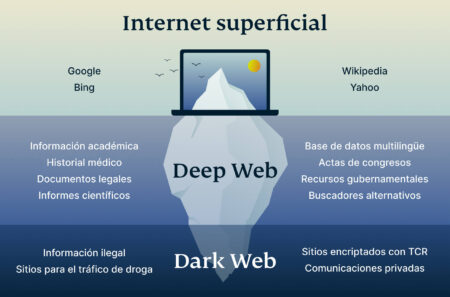
This article reveals the top five key differences between the dark web and the deep web. The surface web, which is also called the visible web and the open web, is any website that search engines can add to their database. This includes websites, blogs, online product listings, and even public posts on social media.
Internet users familiar with encryption and cybersecurity likely know about VPNs, which can also mask your IP, but only to a certain point. Ultimately, the responsibility lies with individuals to govern their online conduct wisely. Prioritizing internet safety—utilizing encryption, employing secure passwords, practicing cautious engagement—can significantly reduce experiences of danger in both the deep and dark webs. As digital landscapes continue to evolve, so too must our commitment to understanding and navigating these complexities safely.
How To Safely Access The Deep Web
The deep web is a section of the internet that cannot be indexed by web crawlers. The dark web is a subsegment of the deep web that can only be accessed with special tools, such as the Tor browser. In general, the rules for accessing the deep web and the dark web safely are similar to the best practices for accessing the surface web. However, you cannot simply browse to sites on the dark web — you have to take steps to ensure privacy first. The dark web, on the other hand, makes up a tiny fraction of the internet as a whole.
In contrast, accessing the Dark Web comes with significantly higher risks due to its nature as an anonymous network. The Dark Web is a hidden portion of the internet that can only be accessed through specialized software like Tor or I2P. People use it daily when accessing personal accounts or cloud storage. Understanding the Deep Web and Dark Web can help you navigate the internet with greater awareness.
Exposure To Harmful And Illegal Activities
With only about 4 percent of all online content freely accessible (making up the surface web), the remainder is tucked away in the deep web. This means there is no easy, direct way for the general public to search this vast amount of unindexed content. In some cases, websites use various methods to block spiders and prevent indexing. These methods include using CAPTCHAs, multiple IP addresses for the same content, non-HTML content or data that spiders cannot pick up, password protection, and unlinked content.
In addition, encrypted messaging platforms like Telegram and QQ provide a safe haven for communications about malicious acts and are, therefore, popular among threat actors. The deep web is any part of the internet that is not indexed by search engines, and it accounts for roughly 90% of all the internet’s content. The Dark Web is a hidden and encrypted portion of the Deep Web that makes up only about 6% of the internet’s content.
People use it to share information when their local governments act hostile or snoop extensively. For instance, Edward Snowden used the dark web to reveal that NSA surveils all US citizens, even if someone has no criminal history. And the dark web (aka darknet) is still a smaller section, up to 5% of the entire internet. Although it is hard for the police to catch criminals who use Tor to conceal their activities, occasional slipups and errors by those criminals expose them. For example, the founder of Silk Road, Ross Ulbricht, was eventually caught after making a series of security errors that allowed the police to identify, locate, and arrest him.