As always, avoid giving any personal information on any dark web websites you visit. This should go without saying, as the whole point of the deep web is anonymity, but you’d be surprised how many people accidentally expose their identity in this way. However, it is essential to practice safe browsing habits to avoid all that information you’ve been accessing on the deep web ending up on one of the dark web’s marketplaces. Use strong passwords, a reliable VPN, and think twice before logging into your banking account via a public Wi-Fi connection. Another thing hidden from the public eye on the deep web is private databases.
How To Access The Deep Web

It is the web that cannot be accessed by the search engines, like government private data, bank data, cloud data, etc. Since the Dark Web is hosted on a darknet, its history is linked to the development of encrypted and peer-to-peer networks that run on top of the Internet. The Dark Web first emerged with the creation of Freenet in the early 2000s. Freenet was designed to allow peer-to-peer, anonymous communication to protect against censorship. The Onion Router (TOR) technology used by the TOR browser and the Dark Web was created by a project funded by the US Naval Research Lab (NRL). The goal of TOR was to allow secure communication by intelligence sources in dangerous environments and has since been adopted by the general public for secure, anonymous browsing.
This connection methodology enables users to interact with the dark web with minimal risk of their activity being tracked or otherwise exposed. Interestingly, at the cusp of the new millennium by the US Naval Research Laboratory originally developed the Tor project. An early version of the Tor browser was created to combat the challenges presented by the lack of privacy during the initial days of the internet.
Disadvantages Of Deep Web
Law enforcement officials can also set up traps to capture criminals engaged in illegal transactions. Some portions of the deep web allow users to overcome legal restrictions to access content that is not lawfully available in their geographical location. It is even possible to illegally download movies, music, and other digital media without paying for it. Naturally, these lawless segments of the deep web are rife with malware and other cyber threats. These pages are mostly obscured from the surface web to secure user data and privacy rather than any nefarious purpose.
Moreover, malicious actors can attempt phishing scams to steal your data and identity for extortion. If the above average Joe’s explanation isn’t enough for you, below are some legitimate reasons to use the Dark Web in a bit more detail. Simply put, accessing and browsing the dark web is perfectly legal. For example, it maintains your privacy and enables you to access untraceable content and services.
Best Dark Web Sites 2025 – Detailed List
Only those willing and able to pay the fees for these sites can get access to their content. This restriction of information to paying customers goes against the egalitarian spirit of the early internet. While access to movies might seem trivial, serious research tools like JSTOR and Statista also charge fees. The deep web refers to parts of the internet not fully accessible through standard search engines like Google, Yahoo! The Tor network, short for “The Onion Router,” is a prime example of Deep Web technology that allows users to browse the internet without revealing their IP address. This network encrypts your data and routes it through multiple servers, making it nearly impossible for anyone to trace your online activities back to you.
Do I Have To Use A VPN?
- Silk Road no longer exists, but even if it did, we’d advise you to steer completely away from it.
- Some estimates mark the extent of the dark web as being much smaller than that of the surface web (which is the regular internet we use every day).
- Overall, the deep web search engine is a diverse ecosystem encompassing both legitimate and illicit content, offering anonymity and security features to its users.
- They also include financial transactions made on major sites like PayPal.
- Many reputable websites and news outlets like ProPublica and SecureDrop often share official domain addresses of onion sites on their pages.
- Some scam sites try to trick you into giving them money after you log in.
That means to fix every piece of information we have on the internet today on computers, you’ll have to stack an endless amount of computers side by side. This method is called Tor over VPN, and it’s a great way to increase your privacy over using Tor alone. Activists, whistle blowers, and journalists also use the dark web to communicate securely with sources and news organizations. With the above dangers, it’s imperative to tread carefully as you step into the dark web. Following the NYT, the BBC launched a dark web “mirror” of their international edition in 2019.

Best Browsers For Accessing The Deep And Dark Web
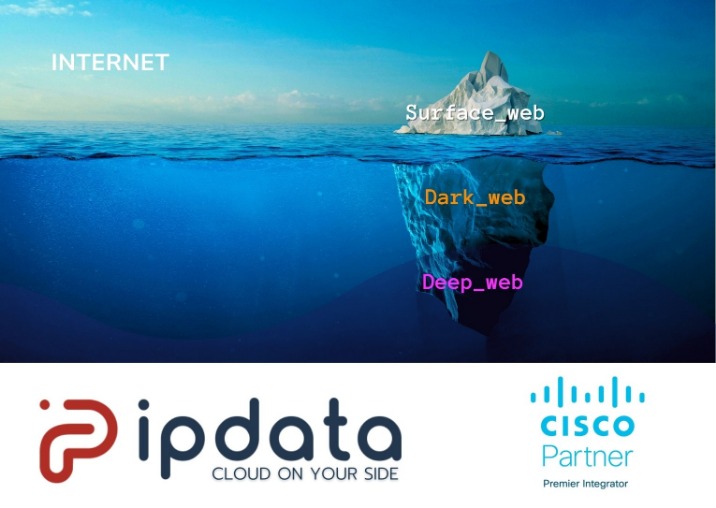
These platforms don’t display a static set of pages; they generate results on-the-fly when you enter search terms. Because there’s no static URL for a crawler to find, this content remains unseen by search engines—even though it’s perfectly legal and accessible to users. You can’t access the deep web or dark web using standard search engines like Google, because neither is indexed. To access content on the deep web, you simply need the correct links and credentials, while the dark web requires specialized tools, like Tor. With only about 4 percent of all online content freely accessible (making up the surface web), the remainder is tucked away in the deep web. This means there is no easy, direct way for the general public to search this vast amount of unindexed content.
The fact that this data resides in the Deep Web does not necessarily guarantee its ethical use. Doctors, nurses, pharmacists, and other professionals rely on these systems for critical, real-time information. From scheduling surgeries to dispensing prescriptions and billing insurance, healthcare institutions use Deep Web infrastructure to safeguard patient outcomes. Despite its reputation, many people use the dark web for legitimate purposes, such as secure communication for journalists, activists, and those seeking uncensored information. User accounts on the deep web contain a lot of personal information that criminals might value — that’s why access to much of the deep web is restricted. The dark web is full of illegal marketplaces and forums where criminal activity is advertised and discussed.

Applications Of The Deep Web
If you haven’t heard of Bitcoin, it’s basically an encrypted digital currency. Like regular cash, Bitcoin is good for transactions of all kinds, and notably, it also allows for anonymity; no one can trace a purchase, illegal or otherwise. As with all things business, the search engines are dealing with weightier concerns than whether you and I are able to find the best apple crisp recipe in the world.
Each time you enter a keyword search, results appear almost instantly thanks to that index. Without it, the search engine would literally have to start searching billions of pages from scratch every time someone wanted information, a process that would be both unwieldy and exasperating. No one really knows how big the deep Web really is, but it’s hundreds (or perhaps even thousands) of times bigger that the surface Web. It’s just hard for current search engine technology to find and make sense of it. Exploring the realms of the Deep and Dark Web necessitates an approach to ensure safety and security. While a regular browser suffices for most segments of the Deep Web, delving into the Dark Web mandates the use of TOR for heightened anonymity and protection.
That means that only 0.024% of all the known pages are findable in Google’s search engine. The users only have access to a fraction of the available data and web pages. The surface web (often referred to as the “visible web”) is the portion of the web available to the general public and indexed in the standard web search engines such as Google, Bing, and Yahoo. The deep web and dark web have many uses, but they also come with risks. If you know anything about data privacy and protecting yourself from identity theft, it’s easy to mitigate these risks on the deep web. In fact, you probably already do it whenever you log in to a secured website.
Using some advanced deep web search engines, such as Spokeo, requires a paid subscription, but there are also free ones, such as The Wayback Machine, Haystack, WorldCat, Torch, and more. Some deep web sites may have illegal or criminal activity mentioned in the content that you can access with a subscription. They include forums for illicit activities and forbidden meme sites. The Deep Web encompasses all unindexed content, including legitimate resources like academic journals and private databases.
Likewise, this proactive approach helps strengthen overall cyber resilience. While the Deep Web supports secure infrastructure, the Dark Web demands stricter monitoring because of its potential for criminal use. This information can be used to target ads and monitor your internet usage. This type of government surveillance applies mostly to countries with environments that are hostile to free speech. You can either sell or buy goods on the dark web, but both present difficulties.