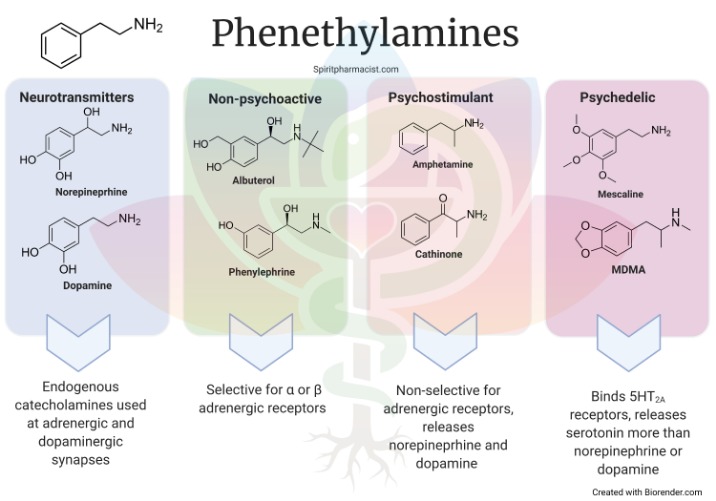
One such techniques is thin-layer chromatography to separate and identify amounts of tyramine and PEA (Garcia-Moruno et al., 2005). Chemical structures of indolealkylamines α-MeT (101) and α-ET (102), and the 5-HT releasing agent fenfluramine (103). Following some additional SAR studies on cathinone analogs, relatively little was published on these agents for over a decade. Then, novel cathinone analogs began to appear of the European clandestine market;80 these were termed synthetic cathinones.
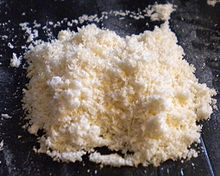
Dosage Of Phenylethylamine
The study by Xie and Miller (Xie & Miller, 2008), that had shown that PEA altered the serotonin transporter by interacting with TAAR, may point towards a safer alternative to SSRI treatment of depression in the form of PEA. Recent literature focuses on the biological synthesis of PEA, rather than the chemical one. 1-phenylethylamine can be synthesized by Escherichia coli overexpressing ω-transaminase (Cardenas-Fernandez et al., 2012). Likewise, the PEA biosynthetic enzyme from Enterococcus faecium can be expressed in E. Coli, which leads to large amounts of L-phenylalanine and tyrosine decarboxylase activity (Marcobal et al., 2006). Intriguingly, PEA can serve as a substrate for the synthesis of other drugs, such as sulfonamides that are being used as antimicrobials (Rehman et al., 2012).
7 Blockade Of DAD1R Attenuated Acute Β-PEA-Induced Circling Behavior In Mice
Alignment with Drosophila DAT showed that the binding pocket of hDAT is formed with the amino acid residues containing Phe76, Asp79, Ile148, Ser149, Leu150, Val152, Gly153, Tyr156, Asn157, Phe326, and Gly327. All results were expressed as the mean ± SEM of at least five independent experiments. For the statistical analysis of viability, apoptosis, and MNi, we used the Analysis of Variance for paired data (repeated ANOVA), followed by Dunnett or Bonferroni tests as the post-test. For the statistical analysis of ROS intracellular levels, we used the t-test for paired data. The results showed a statistically significant increase of the mean fluorescence intensity with respect to the untreated negative control C (-), accounted equal to 1, of about two-fold increase, for all the compounds except for MDMA (Figure 9A–E). RPD on TK6 cells after 26 h treatment with 2C-H, 2C-I, 2C-B, 25B-NBOMe and MDMA at the indicated concentrations with respect to the untreated control C (-).
Phenylethylamine For ADHD
MDMA causes a release of primarily serotonin from presynaptic vesicles through VMAT2 inhibition. The SERT receptor reverses the normal reuptake flow of serotonin and releases 5HT back into the synapse causing an intrasynaptic increase in 5HT. The process of MDMA’s release of serotonin has been termed ‘carrier-mediated’ release. This increase in serotonin neurotransmission increases activation to the 5HT2A receptors, which MDMA also weakly binds.
- In addition, circling behavior and β-PEA-taking behavior are attenuated by blockade of DAD1R.
- Start with a low dose, and work your way up to a higher dose if you require more to feel any effects.
- Studies by Battaglia and Bieniek et al. showed superior efficacy with a combination of haloperidol and lorazapam as compared to either drug alone for psychotic agitation 49.
- Norm Mason and Ray Fuller during a visit to Eli Lilly & Company, they agreed to examine several of our compounds at the recently identified rat brain 5-HT1 and 5-HT2 receptors; it should be noted that these were the only two populations of brain 5-HT receptors known at the time.
Dropping another carbon atom gives a yet shorter chain (no carbons at all!) and this is to be found in the phenylpiperazine analogue 3-trifluoromethylphenylpiperazine. I have been told that this base is an active hallucinogen as the dihydrobromide salt at 50 milligrams sublingually, or at 15 milligrams intravenously in man. The corresponding 3-chloro analogue at 20 to 40 milligrams orally in man or at 8 milligrams intravenously, led to panic attacks in some 10% of the experimental subjects, but not to any observed psychedelic or stimulant responses. The second reason why it is not likely safe to combine phenethylamine with other drugs like tryptamines is because most people who suffer from Phenylpropanism do not have an addiction problem.
Associated Data
- More advanced DBH inhibitors are constituted by imidazolethione amines, such as etamicastat 142,143, nepicastat 144 or zamicastat 145, with low resemblance to dopaminergic amines.
- This protective barrier, which separates the brain’s blood vessels from the brain tissue itself, is notoriously selective about which substances it allows to pass through.
- Results of stimulus generalization studies using rats trained to discriminate either MDMA (1.5 mg/kg) or PMMA (1.25 mg/kg) from saline vehicle in a 2-lever procedure.
- Reduction of IOP is an effective treatment for glaucoma but some patients are refractory to current therapies.
- Phenethylamine is a trace amine found in tiny amounts in the brain that increases the release of the “happy hormones” dopamine and serotonin.
Seizures of phenethylamines were first reported from the United States and European countries and since 2009 substances such as 2C-E, 2C-I, 4-FA and PMMA have been commonly reported by several countries in different regions. Other phenethylamines increasingly reported to UNODC since 2011 include 4-FMA, 5-APB, 6-APB and 2C-C-NBOMe. Monoamine oxidases (MAO) are flavin-containing enzymes that catalyze the oxidative deamination of monoamines, which are bound to the outer membrane of mitochondria. Common MAO substrates are 5-hydroxy-tryptamine and catecholamines (dopamine, norepinephrine and epinephrine). MAO A and MAO B are the two enzyme isoforms, sharing a 70% sequence identity and differentiating each other in the substrate scope 213. Theoretical approaches to rationalize isoform selection by substrates have been described 214,215.
One reason might be that they are unable to readily cross the blood–brain barrier. The concept of the blood–brain barrier (BBB) was proposed as early as 1900 by Lewandowsky14 (reviewed15) but was not fully appreciated for many decades to come. This means that most polar agents (i.e., those that are not very lipophilic – simple phenols, catechols, carboxylic acids, quaternary amines) typically fail (or display a reduced ability) to gain entry to the brain. Other agents, those possessing unprotected primary amines, such as PEA (1) or tryptamine – agents of moderate lipophilicity – if they penetrate the BBB, are rapidly metabolized by enzymes such as monoamine oxidase (MAO). As a consequence, polar agents usually possess minimal, if any, central activity.
1 Acute Β-PEA Significantly Increased Circling And Head-Twitching Behaviors In Mice
Future directions will include both a complementary report covering synthetic strategies to access 2-phenethylamine derivatives and a second, satellite review of 2-heteroaryl-ethylamines in medicinal chemistry. Initially described as opioid receptors, sigma receptors conform their own family, unrelated to other receptors. Both members σ1R and σ2R are primarily found at the endoplasmic reticulum, and participate in diverse conditions, such as cancer, pain, neurodegenerative diseases or depression 243. BD-1047 (Figure 22) is an open-chain, flexible 2-phenethylamine acting as antagonist of σ1R 244. Opioid receptors are a class of GPCR proteins consisting of three receptor types, mainly µ-, δ-, and κ- types, with a variety of functional roles in the nervous system, such as pain signaling, growth, respiration, and immunological response 223,224. Relevant side effects are well known, such as constipation or drug dependence/abuse.
Keep Up With Psychedelic Trends
Since dopamine and other catecholamines are released during excitement or arousal, phenethylamine has been linked to sexual drive and feelings of pleasure. Phenethylamine is therefore sometimes referred to as the “love drug,” though clinical trials are completely lacking 30, 31. Increasing these neurotransmitters in certain brain areas may, in theory, promote a positive mood and lead to a greater sense of well-being.
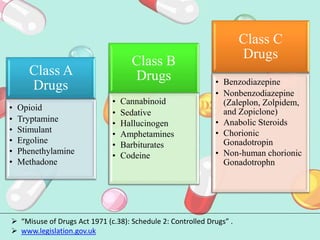
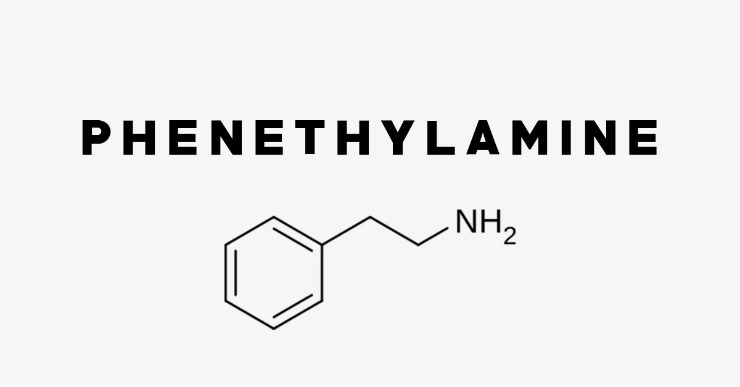
Due to the paucity of studies on PEA, it is difficult to determine the ideal dosage. However, several studies have employed daily doses split into two or three, ranging from 500 to 1500 mg. Given that more significant doses could have adverse consequences, beginning with a modest dose and gradually increasing it is crucial.
Third, for the first time, we examined the effects of β-PEA on affective state by analyzing USVs. Fourth, we determined whether β-PEA produces a reinforcing effect using a rat self-administration paradigm. In addition, we measured the DA concentration and DA-related proteins in the striatum of acute β-PEA-treated mice to determine whether altered behaviors induced by β-PEA are correlated with DA. Finally, we investigated the involvement of DAD1R in β-PEA-induced addictive-like behaviors. Beta-phenylethylamine (β-PEA) is well known as an endogenous neuroactive trace amine and is widespread throughout the central nervous system of rodents 1. In particular, β-PEA is synthesized within nigrostriatal and mesolimbic dopamine (DA) regions, such as the striatum and nucleus accumbens 2, and the highest level of β-PEA is found in these brain regions 3,4.

Their activity at norepinephrine and dopamine neurotransmitter systems is shared with traditional psychostimulants. Phenethylamine is a trace amine found in tiny amounts in the brain that increases the release of the “happy hormones” dopamine and serotonin. Supplements are likely unsafe for most people and there is insufficient evidence that they improve mood, weight loss, or cognitive function. Read this post to find out more about the roles and dangers of phenethylamine. Conversely, many phenethylamine derivatives, particularly those resembling amphetamines—such as ADHD medications, methamphetamine, and MDMA—are classified as controlled substances. These derivatives often exhibit psychoactive properties and may be deemed illegal.
There is little information available about the pharmacology of hallucinogenic 2Cs. It has been shown that 2Cs have an affinity for 5-HT2 and alpha-adrenergic receptors, but these compounds can be either agonists or antagonists, which is dependent on the specific receptor subtype 12–14. The structure of 2Cs responsible for the hallucinogenic effects consists of a primary amine separated by two carbon atoms from the phenyl ring, methoxy groups at positions 2 and 5 on the phenyl ring, and a hydrophobic substituent at position 4 on the phenyl ring (Fig. 1) 3, 15, 16. It is possible to create new hallucinogenic 2Cs by placing different substituents on the aromatic ring at positions 2, 4, or 5 5, 16.
Phenylethylamine (PEA) suggested dosage for cognitive benefit is 500 mg up to 3-times per day. Selective serotonin reuptake inhibitors (SSRI) are the most popular antidepressants prescribed worldwide. SSRIs work by blocking the serotonin transporter and inhibiting the reuptake of the neurotransmitter in your brain called serotonin. PEA is currently being studied and used for the treatment of ADHD, depression, bipolar disorder, cognitive dysfunction like brain fog and poor concentration. Phenylethylamine (PEA) quickly crosses the blood-brain barrier once you take it. Remember, everyone’s experience with psychoactive substances is unique, as is the integration process.