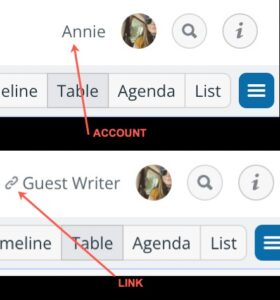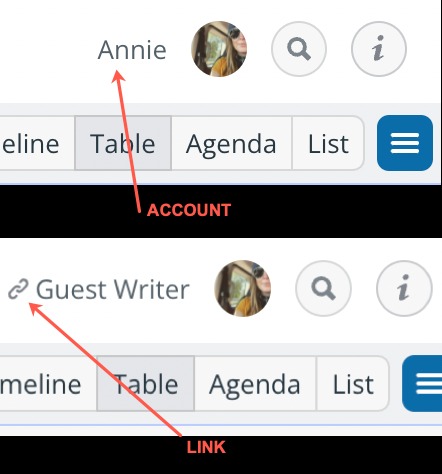
Hyperlinks in HTML are created using the anchor tag, which defines the clickable text and the reference to the data it links to. The ‘href’ attribute within the anchor tag specifies the URL or the location of the HTML document or HTML file that the user will be redirected to upon interaction. The core differences between links and hyperlinks lie in their functionality and presentation. While a link simply refers to the conceptual connection between resources, a hyperlink is the specific implementation of this concept within web pages. Hyperlinks are not just limited to text documents; hyperlinks create a chain that connects pages and enables users to connect with different servers, embodying the fundamental concept behind the World Wide Web. I just found an easy way to understand hard links in a common scenario, software install.

Understanding the key differences between linking and embedding is crucial for effectively sharing content across digital platforms. Linking directs users to external content, promoting the source and maintaining control over updates. On the other hand, embedding allows content to be displayed directly on a webpage, enhancing user experience and engagement. Both methods offer unique advantages and should be utilized based on specific needs and objectives. Linking and embedding impact SEO by helping search engines understand the context and relevance of a webpage.
Recommended By LinkedIn
Most likely, this instruction will remain relevant after the administration relaunches the marketplace. Versus was exposed for IP leaks in March 2020 and suffered a massive Bitcoin theft from user wallets in July 2020. In both cases, the platform owned the mistakes and was completely transparent about what happened. Versus went offline to conduct a security audit like the site says it has done twice before, following suspicions of severe flaws or even actual hacks. Use your experience to help others in the community make a decision. Initially, it only used to be about texts, but now it holds images, graphics, videos, and much more.
Current Community
The inode is only deleted (or deletable/over-writable) when all links to the inode have been deleted. Normally, a link opens in the current frame or window, but sites that use frames and multiple windows for navigation can add a special “target” attribute to specify where the link loads. If no window exists with that name, a new window is created with the ID, which can be used to refer to the window later in the browsing session. A web browser usually displays a hyperlink in some distinguishing way, e.g. in a different color, font or style, or with certain symbols following to visualize link target or document types. The behavior and style of links can be specified using the Cascading Style Sheets (CSS) language.
- When conducting criminal activities on the dark web, dark web marketplaces must hide their physical assets; otherwise, their operators risk being identified and arrested.
- We simplify the complex, offering diverse guides, troubleshooting tips, and insightful articles.
- When it comes to presentation factors, there are distinct differences between links and embeds.
- I had to upgrade my old router because it was only wifi 5 capable and couldn’t sustain the transfer rates required.
- According to Guinness World Records, Link is the most critically acclaimed video game playable character and the most ubiquitous action-adventure video game character.
- It is often displayed as highlighted text or an image, allowing users to navigate between different pages or sites.
Advantages Of Links
A fat link (also known as a “one-to-many” link, an “extended link”5 or a “multi-tailed link”)6 is a hyperlink which leads to multiple endpoints; the link is a set-valued function. Hyperlink is embedded into a word or a phrase and makes this text clickable. Both solutions are available through the Power Apps maker portal (make.powerapp.com), offering distinct approaches to data integration. This article provides an overview of both Microsoft Fabric and Synapse Link, offering a comparison to help you choose the best fit for your D365 F&O data.
Linking is suitable when you want to give brief references or direct users to external sources for further information. It helps maintain a cleaner layout and avoids cluttering the page with extensive content. Embedding is more appropriate when you want to provide immediate access to the content without navigating away from the main page. It’s useful for displaying multimedia content like videos or images directly on the page. But, there also came a time when URLs were getting hard to type, and then hyperlinks changed everything, making navigation and searching a child’s play. This granular level of navigation is integral to the user experience, providing a way to quickly access relevant information within lengthy HTML documents.
Unlocking Enterprise Data Monetization: Architecting A Secure, Self-Service Data Marketplace
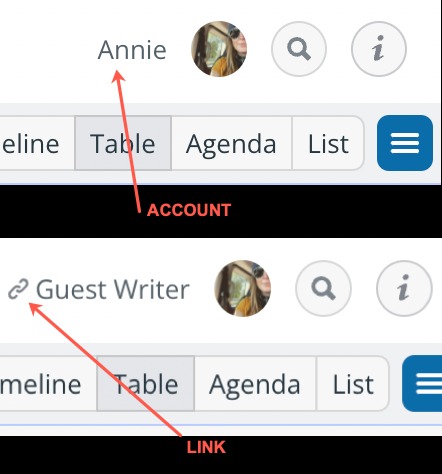
By being mindful of copyright laws and understanding the legal implications of linking versus embedding, content creators can navigate the digital landscape responsibly and ethically. It’s important to respect intellectual property rights and obtain proper permissions when sharing or displaying content to avoid any legal repercussions. Linking and embedding are common methods used in web development to display content on a website. A link refers to a clickable element that directs users to another webpage or resource when clicked. It is often displayed as highlighted text or an image, allowing users to navigate between different pages or sites. This article aims to delve deeper into the intricate differences between linking and embedding, shedding light on their unique functionalities, advantages, and best practices.
Winner: Zelda
Hard link is more of a mirror copy or multiple paths to the same file. Do something to file1 and it appears in file 2.Deleting one still keeps the other ok. Because file “c” points to file “a” itself, if file “a” is deleted then file “c” will have nothing to point to, in fact it is also deleted.
Code Anywhere
In summary, the functionality and purpose of links in web content are to facilitate navigation, provide additional information, enhance user experience, cite sources, and contribute to SEO efforts. Understanding how links work and incorporating them effectively into content can greatly improve the usability and engagement of web users. A hyperlink is a link that takes you from one domain to another via references called anchor texts. The Web is comprised of infinite number of pages filled with all kinds of content and information and hyperlink is a crosslinking tool that links those pages within same or different websites. Hyperlinks are a fundamental concept behind the World Wide Web that makes navigating between web pages easier via links. An internal link is a link that connects two web pages within the same website, whereas an external link is used to connect two web pages that belong to two different websites.
Links and hyperlinks make navigating between web pages and websites easier than before thereby crosslinking trillions and trillions of pages on the Web. They are the most significant breakthroughs that make the Web so easily accessible. Links serve various purposes, including enhancing user experience by providing easy navigation and improving the overall accessibility of content on the web. They can also be used to cite sources, provide references, or guide users to related content that complements the information presented.
However, her Triforce of Wisdom and magical abilities are going to be key in making sure that it never happens. Princess Zelda simply has the tools to stop Link from using his best assets, helping her win her the fight with ease. Zelda, while usually given the title of princess, is the one who is running Hyrule. She has to take care of an entire nation, and despite the Ganon invasions (that she has no control over), things generally run very well.
In the rest of this article, we discuss the various types of links and their importance to modern Web design. Hyperlinks, usually called links, are a foundational concept behind the Web. To explain what links are, we need to step back to the very basics of Web architecture. You can read more about file paths in the chapter HTML File Paths.
This can refer to a document, e.g. a webpage, or other resource, or to a position in a webpage. The latter is achieved by means of an HTML element with a “name” or “id” attribute at that position of the HTML document. The URL of the position is the URL of the webpage with a fragment identifier – “#id attribute” – appended. I am an oldtimers simracer who always used a cable and the meta link software in the past.
Create A Server
- A new “Smart Whiteboard Mode” can automatically detect a whiteboard and keep it squared off in frame so that it’s easier for others on a call to see.
- When you follow a link pointing to an anchor, your browser jumps to another part of the current document instead of loading a new document.
- The target attribute specifies where to open the linked document.
- If you delete the soft link, it’s like deleting any other file, the file it points to is unaffected.
On the other hand, embedding content can sometimes present challenges for users who rely on assistive technologies, as the content may be less accessible or harder to interact with. When it comes to presentation factors, there are distinct differences between links and embeds. Links typically appear as highlighted text or buttons within a body of content, directing users to another webpage when clicked. They offer a direct pathway to external sources without altering the layout of the current page. On the other hand, embeds display external content directly on the hosting page, such as videos, images, or social media posts. Embeds become part of the page’s visual composition, enhancing user engagement.
Versus Market Reddit
Let’s think about people visiting your page who use their keyboard to navigate through your content. They are looking for an action to happen – like sending a form, opening a layer, closing a layer or opening a menu. Okay, they probably won’t open a page in the first place because they are using the space key.